

 Apollo's Arrow
by
A piercing and scientifically grounded look at the emergence of the coronavirus pandemic and how it will change the way we live--"excellent and timely." (The New Yorker) Apollo's Arrow offers a riveting account of the impact of the coronavirus pandemic as it swept through American society in 2020, and of how the recovery will unfold in the coming years. Drawing on momentous (yet dimly remembered) historical epidemics, contemporary analyses, and cutting-edge research from a range of scientific disciplines, bestselling author, physician, sociologist, and public health expert Nicholas A. Christakis explores what it means to live in a time of plague--an experience that is paradoxically uncommon to the vast majority of humans who are alive, yet deeply fundamental to our species. Unleashing new divisions in our society as well as opportunities for cooperation, this 21st-century pandemic has upended our lives in ways that will test, but not vanquish, our already frayed collective culture. Featuring new, provocative arguments and vivid examples ranging across medicine, history, sociology, epidemiology, data science, and genetics, Apollo's Arrow envisions what happens when the great force of a deadly germ meets the enduring reality of our evolved social nature.
Apollo's Arrow
by
A piercing and scientifically grounded look at the emergence of the coronavirus pandemic and how it will change the way we live--"excellent and timely." (The New Yorker) Apollo's Arrow offers a riveting account of the impact of the coronavirus pandemic as it swept through American society in 2020, and of how the recovery will unfold in the coming years. Drawing on momentous (yet dimly remembered) historical epidemics, contemporary analyses, and cutting-edge research from a range of scientific disciplines, bestselling author, physician, sociologist, and public health expert Nicholas A. Christakis explores what it means to live in a time of plague--an experience that is paradoxically uncommon to the vast majority of humans who are alive, yet deeply fundamental to our species. Unleashing new divisions in our society as well as opportunities for cooperation, this 21st-century pandemic has upended our lives in ways that will test, but not vanquish, our already frayed collective culture. Featuring new, provocative arguments and vivid examples ranging across medicine, history, sociology, epidemiology, data science, and genetics, Apollo's Arrow envisions what happens when the great force of a deadly germ meets the enduring reality of our evolved social nature.
 The Bastard Brigade
by
From New York Times bestselling author Sam Kean comes the gripping, untold story of a renegade group of scientists and spies determined to keep Adolf Hitler from obtaining the ultimate prize: a nuclear bomb. Scientists have always kept secrets. But rarely have the secrets been as vital as they were during World War II. In the middle of building an atomic bomb, the leaders of the Manhattan Project were alarmed to learn that Nazi Germany was far outpacing the Allies in nuclear weapons research. Hitler, with just a few pounds of uranium, would have the capability to reverse the entire D-Day operation and conquer Europe. So they assembled a rough and motley crew of geniuses -- dubbed the Alsos Mission -- and sent them careening into Axis territory to spy on, sabotage, and even assassinate members of Nazi Germany's feared Uranium Club. The details of the mission rival the finest spy thriller, but what makes this story sing is the incredible cast of characters -- both heroes and rogues alike -- including: Moe Bergm, the major league catcher who abandoned the game for a career as a multilingual international spy; the strangest fellow to ever play professional baseball. Werner Heisenberg, the Nobel Prize-winning physicist credited as the discoverer of quantum mechanics; a key contributor to the Nazi's atomic bomb project and the primary target of the Alsos mission. Colonel Boris Pash, a high school science teacher and veteran of the Russian Revolution who fled the Soviet Union with a deep disdain for Communists and who later led the Alsos mission. Joe Kennedy Jr., the charismatic, thrill-seeking older brother of JFK whose need for adventure led him to volunteer for the most dangerous missions the Navy had to offer. Samuel Goudsmit, a washed-up physics prodigy who spent his life hunting Nazi scientists -- and his parents, who had been swept into a concentration camp -- across the globe. Irène and Frederic Joliot-Curie, a physics Nobel-Prize winning power couple who used their unassuming status as scientists to become active members of the resistance. Thrust into the dark world of international espionage, these scientists and soldiers played a vital and largely untold role in turning back one of the darkest tides in human history.
The Bastard Brigade
by
From New York Times bestselling author Sam Kean comes the gripping, untold story of a renegade group of scientists and spies determined to keep Adolf Hitler from obtaining the ultimate prize: a nuclear bomb. Scientists have always kept secrets. But rarely have the secrets been as vital as they were during World War II. In the middle of building an atomic bomb, the leaders of the Manhattan Project were alarmed to learn that Nazi Germany was far outpacing the Allies in nuclear weapons research. Hitler, with just a few pounds of uranium, would have the capability to reverse the entire D-Day operation and conquer Europe. So they assembled a rough and motley crew of geniuses -- dubbed the Alsos Mission -- and sent them careening into Axis territory to spy on, sabotage, and even assassinate members of Nazi Germany's feared Uranium Club. The details of the mission rival the finest spy thriller, but what makes this story sing is the incredible cast of characters -- both heroes and rogues alike -- including: Moe Bergm, the major league catcher who abandoned the game for a career as a multilingual international spy; the strangest fellow to ever play professional baseball. Werner Heisenberg, the Nobel Prize-winning physicist credited as the discoverer of quantum mechanics; a key contributor to the Nazi's atomic bomb project and the primary target of the Alsos mission. Colonel Boris Pash, a high school science teacher and veteran of the Russian Revolution who fled the Soviet Union with a deep disdain for Communists and who later led the Alsos mission. Joe Kennedy Jr., the charismatic, thrill-seeking older brother of JFK whose need for adventure led him to volunteer for the most dangerous missions the Navy had to offer. Samuel Goudsmit, a washed-up physics prodigy who spent his life hunting Nazi scientists -- and his parents, who had been swept into a concentration camp -- across the globe. Irène and Frederic Joliot-Curie, a physics Nobel-Prize winning power couple who used their unassuming status as scientists to become active members of the resistance. Thrust into the dark world of international espionage, these scientists and soldiers played a vital and largely untold role in turning back one of the darkest tides in human history.
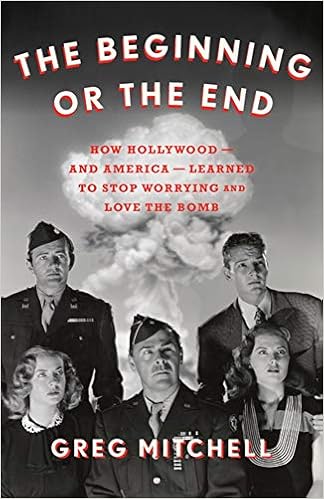 The Beginning or the End: How Hollywood―and America―Learned to Stop Worrying and Love the Bomb
by
One of Vanity Fair's 21 Best Books of 2020
The shocking and significant story of how the White House and Pentagon scuttled an epic Hollywood production.
Soon after atomic bombs exploded over Hiroshima and Nagasaki in 1945, MGM set out to make a movie studio chief Louis B. Mayer called "the most important story" he would ever film: a big budget dramatization of the Manhattan Project and the invention and use of the revolutionary new weapon.
Over at Paramount, Hal B. Wallis was ramping up his own film version. His screenwriter: the novelist Ayn Rand, who saw in physicist J. Robert Oppenheimer the model for a character she was sketching for Atlas Shrugged.
Greg Mitchell's The Beginning or the End chronicles the first efforts of American media and culture to process the Atomic Age. A movie that began as a cautionary tale inspired by atomic scientists aiming to warn the world against a nuclear arms race would be drained of all impact due to revisions and retakes ordered by President Truman and the military―for reasons of propaganda, politics, and petty human vanity (this was Hollywood).
Mitchell has found his way into the lofty rooms, from Washington to California, where it happened, unearthing hundreds of letters and dozens of scripts that show how wise intentions were compromised in favor of defending the use of the bomb and the imperatives of postwar politics. As in his acclaimed Cold War true-life thriller The Tunnels, he exposes how our implacable American myth-making mechanisms distort our history.
The Beginning or the End: How Hollywood―and America―Learned to Stop Worrying and Love the Bomb
by
One of Vanity Fair's 21 Best Books of 2020
The shocking and significant story of how the White House and Pentagon scuttled an epic Hollywood production.
Soon after atomic bombs exploded over Hiroshima and Nagasaki in 1945, MGM set out to make a movie studio chief Louis B. Mayer called "the most important story" he would ever film: a big budget dramatization of the Manhattan Project and the invention and use of the revolutionary new weapon.
Over at Paramount, Hal B. Wallis was ramping up his own film version. His screenwriter: the novelist Ayn Rand, who saw in physicist J. Robert Oppenheimer the model for a character she was sketching for Atlas Shrugged.
Greg Mitchell's The Beginning or the End chronicles the first efforts of American media and culture to process the Atomic Age. A movie that began as a cautionary tale inspired by atomic scientists aiming to warn the world against a nuclear arms race would be drained of all impact due to revisions and retakes ordered by President Truman and the military―for reasons of propaganda, politics, and petty human vanity (this was Hollywood).
Mitchell has found his way into the lofty rooms, from Washington to California, where it happened, unearthing hundreds of letters and dozens of scripts that show how wise intentions were compromised in favor of defending the use of the bomb and the imperatives of postwar politics. As in his acclaimed Cold War true-life thriller The Tunnels, he exposes how our implacable American myth-making mechanisms distort our history.
 Breath
by
A New York Times Bestseller A Washington Post Notable Nonfiction Book of 2020 Named a Best Book of 2020 by NPR "A fascinating scientific, cultural, spiritual and evolutionary history of the way humans breathe--and how we've all been doing it wrong for a long, long time." --Elizabeth Gilbert, author of Big Magic and Eat Pray Love No matter what you eat, how much you exercise, how skinny or young or wise you are, none of it matters if you're not breathing properly. There is nothing more essential to our health and well-being than breathing: take air in, let it out, repeat twenty-five thousand times a day. Yet, as a species, humans have lost the ability to breathe correctly, with grave consequences. Journalist James Nestor travels the world to figure out what went wrong and how to fix it. The answers aren't found in pulmonology labs, as we might expect, but in the muddy digs of ancient burial sites, secret Soviet facilities, New Jersey choir schools, and the smoggy streets of São Paulo. Nestor tracks down men and women exploring the hidden science behind ancient breathing practices like Pranayama, Sudarshan Kriya, and Tummo and teams up with pulmonary tinkerers to scientifically test long-held beliefs about how we breathe. Modern research is showing us that making even slight adjustments to the way we inhale and exhale can jump-start athletic performance; rejuvenate internal organs; halt snoring, asthma, and autoimmune disease; and even straighten scoliotic spines. None of this should be possible, and yet it is. Drawing on thousands of years of medical texts and recent cutting-edge studies in pulmonology, psychology, biochemistry, and human physiology, Breath turns the conventional wisdom of what we thought we knew about our most basic biological function on its head. You will never breathe the same again.
Breath
by
A New York Times Bestseller A Washington Post Notable Nonfiction Book of 2020 Named a Best Book of 2020 by NPR "A fascinating scientific, cultural, spiritual and evolutionary history of the way humans breathe--and how we've all been doing it wrong for a long, long time." --Elizabeth Gilbert, author of Big Magic and Eat Pray Love No matter what you eat, how much you exercise, how skinny or young or wise you are, none of it matters if you're not breathing properly. There is nothing more essential to our health and well-being than breathing: take air in, let it out, repeat twenty-five thousand times a day. Yet, as a species, humans have lost the ability to breathe correctly, with grave consequences. Journalist James Nestor travels the world to figure out what went wrong and how to fix it. The answers aren't found in pulmonology labs, as we might expect, but in the muddy digs of ancient burial sites, secret Soviet facilities, New Jersey choir schools, and the smoggy streets of São Paulo. Nestor tracks down men and women exploring the hidden science behind ancient breathing practices like Pranayama, Sudarshan Kriya, and Tummo and teams up with pulmonary tinkerers to scientifically test long-held beliefs about how we breathe. Modern research is showing us that making even slight adjustments to the way we inhale and exhale can jump-start athletic performance; rejuvenate internal organs; halt snoring, asthma, and autoimmune disease; and even straighten scoliotic spines. None of this should be possible, and yet it is. Drawing on thousands of years of medical texts and recent cutting-edge studies in pulmonology, psychology, biochemistry, and human physiology, Breath turns the conventional wisdom of what we thought we knew about our most basic biological function on its head. You will never breathe the same again.
 Eat a Peach
by
NEW YORK TIMES BESTSELLER * From the chef behind Momofuku and star of Netflix's Ugly Delicious--an intimate account of the making of a chef, the story of the modern restaurant world that he helped shape, and how he discovered that success can be much harder to understand than failure. NAMED ONE OF THE BEST BOOKS OF THE YEAR BY NPR * Fortune * Parade * The New York Public Library * Garden & Gun In 2004, Momofuku Noodle Bar opened in a tiny, stark space in Manhattan's East Village. Its young chef-owner, David Chang, worked the line, serving ramen and pork buns to a mix of fellow restaurant cooks and confused diners whose idea of ramen was instant noodles in Styrofoam cups. It would have been impossible to know it at the time--and certainly Chang would have bet against himself--but he, who had failed at almost every endeavor in his life, was about to become one of the most influential chefs of his generation, driven by the question, "What if the underground could become the mainstream?" Chang grew up the youngest son of a deeply religious Korean American family in Virginia. Graduating college aimless and depressed, he fled the States for Japan, hoping to find some sense of belonging. While teaching English in a backwater town, he experienced the highs of his first full-blown manic episode, and began to think that the cooking and sharing of food could give him both purpose and agency in his life. Full of grace, candor, grit, and humor, Eat a Peach chronicles Chang's switchback path. He lays bare his mistakes and wonders about his extraordinary luck as he recounts the improbable series of events that led him to the top of his profession. He wrestles with his lifelong feelings of otherness and inadequacy, explores the mental illness that almost killed him, and finds hope in the shared value of deliciousness. Along the way, Chang gives us a penetrating look at restaurant life, in which he balances his deep love for the kitchen with unflinching honesty about the industry's history of brutishness and its uncertain future.
Eat a Peach
by
NEW YORK TIMES BESTSELLER * From the chef behind Momofuku and star of Netflix's Ugly Delicious--an intimate account of the making of a chef, the story of the modern restaurant world that he helped shape, and how he discovered that success can be much harder to understand than failure. NAMED ONE OF THE BEST BOOKS OF THE YEAR BY NPR * Fortune * Parade * The New York Public Library * Garden & Gun In 2004, Momofuku Noodle Bar opened in a tiny, stark space in Manhattan's East Village. Its young chef-owner, David Chang, worked the line, serving ramen and pork buns to a mix of fellow restaurant cooks and confused diners whose idea of ramen was instant noodles in Styrofoam cups. It would have been impossible to know it at the time--and certainly Chang would have bet against himself--but he, who had failed at almost every endeavor in his life, was about to become one of the most influential chefs of his generation, driven by the question, "What if the underground could become the mainstream?" Chang grew up the youngest son of a deeply religious Korean American family in Virginia. Graduating college aimless and depressed, he fled the States for Japan, hoping to find some sense of belonging. While teaching English in a backwater town, he experienced the highs of his first full-blown manic episode, and began to think that the cooking and sharing of food could give him both purpose and agency in his life. Full of grace, candor, grit, and humor, Eat a Peach chronicles Chang's switchback path. He lays bare his mistakes and wonders about his extraordinary luck as he recounts the improbable series of events that led him to the top of his profession. He wrestles with his lifelong feelings of otherness and inadequacy, explores the mental illness that almost killed him, and finds hope in the shared value of deliciousness. Along the way, Chang gives us a penetrating look at restaurant life, in which he balances his deep love for the kitchen with unflinching honesty about the industry's history of brutishness and its uncertain future.
 Fallout: The Hiroshima Cover-up and the Reporter who Revealed it to the World
by
A NEW YORK TIMES NOTABLE BOOK OF 2020
New York Times bestselling author Lesley M.M. Blume reveals how one courageous American reporter uncovered one of the deadliest cover-ups of the 20th century—the true effects of the atom bomb—potentially saving millions of lives.
Just days after the United States decimated Hiroshima and Nagasaki with nuclear bombs, the Japanese surrendered unconditionally. But even before the surrender, the US government and military had begun a secret propaganda and information suppression campaign to hide the devastating nature of these experimental weapons. The cover-up intensified as Occupation forces closed the atomic cities to Allied reporters, preventing leaks about the horrific long-term effects of radiation which would kill thousands during the months after the blast. For nearly a year the cover-up worked—until New Yorker journalist John Hersey got into Hiroshima and managed to report the truth to the world.
As Hersey and his editors prepared his article for publication, they kept the story secret—even from most of their New Yorker colleagues. When the magazine published “Hiroshima” in August 1946, it became an instant global sensation, and inspired pervasive horror about the hellish new threat that America had unleashed. Since 1945, no nuclear weapons have ever been deployed in war partly because Hersey alerted the world to their true, devastating impact. This knowledge has remained among the greatest deterrents to using them since the end of World War II.
Released on the 75th anniversary of the Hiroshima bombing, Fallout is an engrossing detective story, as well as an important piece of hidden history that shows how one heroic scoop saved—and can still save—the world.
Fallout: The Hiroshima Cover-up and the Reporter who Revealed it to the World
by
A NEW YORK TIMES NOTABLE BOOK OF 2020
New York Times bestselling author Lesley M.M. Blume reveals how one courageous American reporter uncovered one of the deadliest cover-ups of the 20th century—the true effects of the atom bomb—potentially saving millions of lives.
Just days after the United States decimated Hiroshima and Nagasaki with nuclear bombs, the Japanese surrendered unconditionally. But even before the surrender, the US government and military had begun a secret propaganda and information suppression campaign to hide the devastating nature of these experimental weapons. The cover-up intensified as Occupation forces closed the atomic cities to Allied reporters, preventing leaks about the horrific long-term effects of radiation which would kill thousands during the months after the blast. For nearly a year the cover-up worked—until New Yorker journalist John Hersey got into Hiroshima and managed to report the truth to the world.
As Hersey and his editors prepared his article for publication, they kept the story secret—even from most of their New Yorker colleagues. When the magazine published “Hiroshima” in August 1946, it became an instant global sensation, and inspired pervasive horror about the hellish new threat that America had unleashed. Since 1945, no nuclear weapons have ever been deployed in war partly because Hersey alerted the world to their true, devastating impact. This knowledge has remained among the greatest deterrents to using them since the end of World War II.
Released on the 75th anniversary of the Hiroshima bombing, Fallout is an engrossing detective story, as well as an important piece of hidden history that shows how one heroic scoop saved—and can still save—the world.
 The French Laundry, per Se
by
Named a Best Book of 2020 by Publisher's Weekly Named a Best Cookbook of 2020 by Amazon and Barnes & Noble "Every elegant page projects Keller's high standard of 'perfect culinary execution'. . . . This superb work is as much philosophical treatise as gorgeous cookbook." --Publishers Weekly, STARRED REVIEW Bound by a common philosophy, linked by live video, staffed by a cadre of inventive and skilled chefs, the kitchens of Thomas Keller's celebrated restaurants--The French Laundry in Yountville, California, and per se, in New York City--are in a relationship unique in the world of fine dining. Ideas bounce back and forth in a dance of creativity, knowledge, innovation, and excellence. It's a relationship that's the very embodiment of collaboration, and of the whole being greater than the sum of its parts. And all of it is captured in The French Laundry, Per Se, with meticulously detailed recipes for 70 beloved dishes, including Smoked Sturgeon Rillettes on an Everything Bagel, "The Whole Bird," Tomato Consommé, Celery Root Pastrami, Steak and Potatoes, Peaches 'n' Cream. Just reading these recipes is a master class in the state of the art of cooking today. We learn to use a dehydrator to intensify the flavor and texture of fruits and vegetables. To make the crunchiest coating with a cornstarch-egg white paste and potato flakes. To limit waste in the kitchen by fermenting vegetable trimmings for sauces with an unexpected depth of flavor. And that essential Keller trait, to take a classic and reinvent it: like the French onion soup, with a mushroom essence stock and garnish of braised beef cheeks and Comté mousse, or a classic crème brûlée reimagined as a rich, creamy ice cream with a crispy sugar tuile to mimic the caramelized coating. Throughout, there are 40 recipes for the basics to elevate our home cooking. Some are old standbys, like the best versions of beurre manié and béchamel, others more unusual, including a ramen broth (aka the Super Stock) and a Blue-Ribbon Pickle. And with its notes on technique, stories about farmers and purveyors, and revelatory essays from Thomas Keller--"The Lessons of a Dishwasher," "Inspiration Versus Influence," "Patience and Persistence"--The French Laundry, Per Se will change how young chefs, determined home cooks, and dedicated food lovers understand and approach their cooking.
The French Laundry, per Se
by
Named a Best Book of 2020 by Publisher's Weekly Named a Best Cookbook of 2020 by Amazon and Barnes & Noble "Every elegant page projects Keller's high standard of 'perfect culinary execution'. . . . This superb work is as much philosophical treatise as gorgeous cookbook." --Publishers Weekly, STARRED REVIEW Bound by a common philosophy, linked by live video, staffed by a cadre of inventive and skilled chefs, the kitchens of Thomas Keller's celebrated restaurants--The French Laundry in Yountville, California, and per se, in New York City--are in a relationship unique in the world of fine dining. Ideas bounce back and forth in a dance of creativity, knowledge, innovation, and excellence. It's a relationship that's the very embodiment of collaboration, and of the whole being greater than the sum of its parts. And all of it is captured in The French Laundry, Per Se, with meticulously detailed recipes for 70 beloved dishes, including Smoked Sturgeon Rillettes on an Everything Bagel, "The Whole Bird," Tomato Consommé, Celery Root Pastrami, Steak and Potatoes, Peaches 'n' Cream. Just reading these recipes is a master class in the state of the art of cooking today. We learn to use a dehydrator to intensify the flavor and texture of fruits and vegetables. To make the crunchiest coating with a cornstarch-egg white paste and potato flakes. To limit waste in the kitchen by fermenting vegetable trimmings for sauces with an unexpected depth of flavor. And that essential Keller trait, to take a classic and reinvent it: like the French onion soup, with a mushroom essence stock and garnish of braised beef cheeks and Comté mousse, or a classic crème brûlée reimagined as a rich, creamy ice cream with a crispy sugar tuile to mimic the caramelized coating. Throughout, there are 40 recipes for the basics to elevate our home cooking. Some are old standbys, like the best versions of beurre manié and béchamel, others more unusual, including a ramen broth (aka the Super Stock) and a Blue-Ribbon Pickle. And with its notes on technique, stories about farmers and purveyors, and revelatory essays from Thomas Keller--"The Lessons of a Dishwasher," "Inspiration Versus Influence," "Patience and Persistence"--The French Laundry, Per Se will change how young chefs, determined home cooks, and dedicated food lovers understand and approach their cooking.
 Gambling with Armageddon
by
From the Pulitzer Prize-winning author of American Prometheus- The Triumph and Tragedy of J. Robert Oppenheimer comes the first effort to set the Cuban Missile Crisis, with its potential for nuclear holocaust, in a wider historical narrative of the Cold War--how such a crisis arose, and why at the very last possible moment it didn't happen. In this groundbreaking look at the Cuban Missile Crisis, Martin Sherwin not only gives us a riveting sometimes hour-by-hour explanation of the crisis itself, but also explores the origins, scope, and consequences of the evolving place of nuclear weapons in the post WWII world. Mining new sources and materials, and going far beyond the scope of earlier works on this critical face-off between the United States and the Soviet Union--triggered when Khrushchev began installing missiles in Cuba at Castro's behest--Sherwin shows how this volatile event was an integral part of the wider Cold War and was a consequence of nuclear arms. Gambling with Armageddon looks in particular at the original debate in the Truman Administration about using the Atomic Bomb; the way in which President Eisenhower relied on the threat of massive retaliation to project U.S. power in the early Cold War era; and how President Kennedy, though unprepared to deal with the Bay of Pigs debacle, came of age during the Cuban Missile Crisis. Here too is a clarifying picture of what was going on in Khrushchev's Soviet Union. Martin Sherwin has spent his career in the study of nuclear weapons and how they have shaped our world--Gambling with Armegeddon is an outstanding capstone to his work thus far.
Gambling with Armageddon
by
From the Pulitzer Prize-winning author of American Prometheus- The Triumph and Tragedy of J. Robert Oppenheimer comes the first effort to set the Cuban Missile Crisis, with its potential for nuclear holocaust, in a wider historical narrative of the Cold War--how such a crisis arose, and why at the very last possible moment it didn't happen. In this groundbreaking look at the Cuban Missile Crisis, Martin Sherwin not only gives us a riveting sometimes hour-by-hour explanation of the crisis itself, but also explores the origins, scope, and consequences of the evolving place of nuclear weapons in the post WWII world. Mining new sources and materials, and going far beyond the scope of earlier works on this critical face-off between the United States and the Soviet Union--triggered when Khrushchev began installing missiles in Cuba at Castro's behest--Sherwin shows how this volatile event was an integral part of the wider Cold War and was a consequence of nuclear arms. Gambling with Armageddon looks in particular at the original debate in the Truman Administration about using the Atomic Bomb; the way in which President Eisenhower relied on the threat of massive retaliation to project U.S. power in the early Cold War era; and how President Kennedy, though unprepared to deal with the Bay of Pigs debacle, came of age during the Cuban Missile Crisis. Here too is a clarifying picture of what was going on in Khrushchev's Soviet Union. Martin Sherwin has spent his career in the study of nuclear weapons and how they have shaped our world--Gambling with Armegeddon is an outstanding capstone to his work thus far.
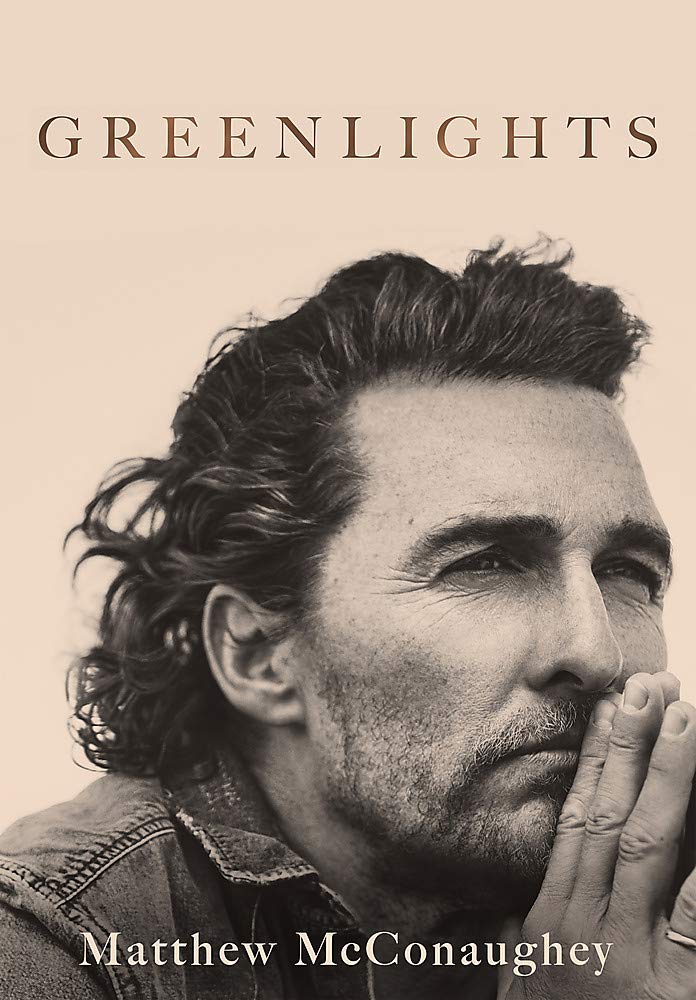 Greenlights
by
#1 NEW YORK TIMES BESTSELLER * Over two million copies sold! From the Academy Award®-winning actor, an unconventional memoir filled with raucous stories, outlaw wisdom, and lessons learned the hard way about living with greater satisfaction NAMED ONE OF THE BEST BOOKS OF THE YEAR BY THE GUARDIAN "Unflinchingly honest and remarkably candid, Matthew McConaughey's book invites us to grapple with the lessons of his life as he did--and to see that the point was never to win, but to understand."--Mark Manson, author of The Subtle Art of Not Giving a F*ck I've been in this life for fifty years, been trying to work out its riddle for forty-two, and been keeping diaries of clues to that riddle for the last thirty-five. Notes about successes and failures, joys and sorrows, things that made me marvel, and things that made me laugh out loud. How to be fair. How to have less stress. How to have fun. How to hurt people less. How to get hurt less. How to be a good man. How to have meaning in life. How to be more me. Recently, I worked up the courage to sit down with those diaries. I found stories I experienced, lessons I learned and forgot, poems, prayers, prescriptions, beliefs about what matters, some great photographs, and a whole bunch of bumper stickers. I found a reliable theme, an approach to living that gave me more satisfaction, at the time, and still: If you know how, and when, to deal with life's challenges--how to get relative with the inevitable--you can enjoy a state of success I call "catching greenlights." So I took a one-way ticket to the desert and wrote this book: an album, a record, a story of my life so far. This is fifty years of my sights and seens, felts and figured-outs, cools and shamefuls. Graces, truths, and beauties of brutality. Getting away withs, getting caughts, and getting wets while trying to dance between the raindrops. Hopefully, it's medicine that tastes good, a couple of aspirin instead of the infirmary, a spaceship to Mars without needing your pilot's license, going to church without having to be born again, and laughing through the tears. It's a love letter. To life. It's also a guide to catching more greenlights--and to realizing that the yellows and reds eventually turn green too. Good luck. The short dust jacket included with this hardcover edition is an intentional design choice.
Greenlights
by
#1 NEW YORK TIMES BESTSELLER * Over two million copies sold! From the Academy Award®-winning actor, an unconventional memoir filled with raucous stories, outlaw wisdom, and lessons learned the hard way about living with greater satisfaction NAMED ONE OF THE BEST BOOKS OF THE YEAR BY THE GUARDIAN "Unflinchingly honest and remarkably candid, Matthew McConaughey's book invites us to grapple with the lessons of his life as he did--and to see that the point was never to win, but to understand."--Mark Manson, author of The Subtle Art of Not Giving a F*ck I've been in this life for fifty years, been trying to work out its riddle for forty-two, and been keeping diaries of clues to that riddle for the last thirty-five. Notes about successes and failures, joys and sorrows, things that made me marvel, and things that made me laugh out loud. How to be fair. How to have less stress. How to have fun. How to hurt people less. How to get hurt less. How to be a good man. How to have meaning in life. How to be more me. Recently, I worked up the courage to sit down with those diaries. I found stories I experienced, lessons I learned and forgot, poems, prayers, prescriptions, beliefs about what matters, some great photographs, and a whole bunch of bumper stickers. I found a reliable theme, an approach to living that gave me more satisfaction, at the time, and still: If you know how, and when, to deal with life's challenges--how to get relative with the inevitable--you can enjoy a state of success I call "catching greenlights." So I took a one-way ticket to the desert and wrote this book: an album, a record, a story of my life so far. This is fifty years of my sights and seens, felts and figured-outs, cools and shamefuls. Graces, truths, and beauties of brutality. Getting away withs, getting caughts, and getting wets while trying to dance between the raindrops. Hopefully, it's medicine that tastes good, a couple of aspirin instead of the infirmary, a spaceship to Mars without needing your pilot's license, going to church without having to be born again, and laughing through the tears. It's a love letter. To life. It's also a guide to catching more greenlights--and to realizing that the yellows and reds eventually turn green too. Good luck. The short dust jacket included with this hardcover edition is an intentional design choice.
 Inside Story
by
"The Mick Jagger of literature . . . Amis is the most dazzling prose stylist in post-war British fiction." --Mick Brown, The Daily Telegraph "[A] charismatic compound of fact and fiction . . . Martin Amis has retained the power to surprise." --Parul Sehgal, The New York Times From one of the most highly acclaimed writers at work today: his most intimate and epic work yet--an autobiographical novel of sex and love, family and friendship. This novel had its birth in the death of Martin Amis's closest friend, the incomparable Christopher Hitchens, and it is within that profound and sprawling friendship that Inside Story unfurls. From their early days as young magazine staffers in London, reviewing romantic entanglements and the latest literary gossip (not to mention ideas, books, and where to lunch), Hitch was Amis's wingman and adviser, especially in the matter of the alluringly amoral Phoebe Phelps--an obsession Amis must somehow put behind him if he is ever to find love, marriage, a plausible run at happiness. Other figures competing as Amis's main influencers are his literary fathers--Kingsley, of course; his hero Saul Bellow; the weirdly self-finessing poet Philip Larkin--and his significant literary mothers, including Iris Murdoch and Elizabeth Jane Howard. Moving among these greats to set his own path, Amis's quest is a tender, witty exploration of the hardest questions: how to live, how to grieve, and how to die. In search of his answers, he surveys the horrors of the twentieth century, and the still-unfolding impact of the 9/11 attacks on the twenty-first--and considers what all of this has taught him about how to be a writer. The result is a love letter to life--and to the people in his life--that achieves a new level of confidentiality with his readers, giving us the previously unseen portrait of his extraordinary world.
Inside Story
by
"The Mick Jagger of literature . . . Amis is the most dazzling prose stylist in post-war British fiction." --Mick Brown, The Daily Telegraph "[A] charismatic compound of fact and fiction . . . Martin Amis has retained the power to surprise." --Parul Sehgal, The New York Times From one of the most highly acclaimed writers at work today: his most intimate and epic work yet--an autobiographical novel of sex and love, family and friendship. This novel had its birth in the death of Martin Amis's closest friend, the incomparable Christopher Hitchens, and it is within that profound and sprawling friendship that Inside Story unfurls. From their early days as young magazine staffers in London, reviewing romantic entanglements and the latest literary gossip (not to mention ideas, books, and where to lunch), Hitch was Amis's wingman and adviser, especially in the matter of the alluringly amoral Phoebe Phelps--an obsession Amis must somehow put behind him if he is ever to find love, marriage, a plausible run at happiness. Other figures competing as Amis's main influencers are his literary fathers--Kingsley, of course; his hero Saul Bellow; the weirdly self-finessing poet Philip Larkin--and his significant literary mothers, including Iris Murdoch and Elizabeth Jane Howard. Moving among these greats to set his own path, Amis's quest is a tender, witty exploration of the hardest questions: how to live, how to grieve, and how to die. In search of his answers, he surveys the horrors of the twentieth century, and the still-unfolding impact of the 9/11 attacks on the twenty-first--and considers what all of this has taught him about how to be a writer. The result is a love letter to life--and to the people in his life--that achieves a new level of confidentiality with his readers, giving us the previously unseen portrait of his extraordinary world.
 Modern Comfort Food
by
A collection of all-new soul-satisfying dishes from America's favorite home cook! In Modern Comfort Food, Ina Garten shares 85 new recipes that will feed your deepest cravings. Many of these dishes are inspired by childhood favorites--but with the volume turned way up, such as Cheddar and Chutney Grilled Cheese sandwiches (the perfect match for Ina's Creamy Tomato Bisque), Smashed Hamburgers with Caramelized Onions, and the crispiest hash browns that are actually made in a waffle iron! There are few things more comforting than gathering for a meal with the ones you love, especially when dishes like Cheesy Chicken Enchiladas are at the center of the table. Old-fashioned crowd pleasers like Roasted Sausages, Peppers, and Onions are even more delicious and streamlined for quick cleanup. For dessert? You'll find the best Boston Cream Pie, Banana Rum Trifle, and Black and White Cookies you'll ever make. Home cooks can always count on Ina's dependable, easy-to-follow instructions, with lots of side notes for cooking and entertaining--it's like having Ina right there beside you, helping you all the way. From cocktails to dessert, from special weekend breakfasts to quick weeknight dinners, you'll find yourself making these cozy and delicious recipes over and over again.
Modern Comfort Food
by
A collection of all-new soul-satisfying dishes from America's favorite home cook! In Modern Comfort Food, Ina Garten shares 85 new recipes that will feed your deepest cravings. Many of these dishes are inspired by childhood favorites--but with the volume turned way up, such as Cheddar and Chutney Grilled Cheese sandwiches (the perfect match for Ina's Creamy Tomato Bisque), Smashed Hamburgers with Caramelized Onions, and the crispiest hash browns that are actually made in a waffle iron! There are few things more comforting than gathering for a meal with the ones you love, especially when dishes like Cheesy Chicken Enchiladas are at the center of the table. Old-fashioned crowd pleasers like Roasted Sausages, Peppers, and Onions are even more delicious and streamlined for quick cleanup. For dessert? You'll find the best Boston Cream Pie, Banana Rum Trifle, and Black and White Cookies you'll ever make. Home cooks can always count on Ina's dependable, easy-to-follow instructions, with lots of side notes for cooking and entertaining--it's like having Ina right there beside you, helping you all the way. From cocktails to dessert, from special weekend breakfasts to quick weeknight dinners, you'll find yourself making these cozy and delicious recipes over and over again.
 The New Long Life
by
A practical guide to how we can positively adapt to a changing world, from the internationally bestselling authors ofThe 100-Year Life. "Wonderful . . . This thought-provoking book is a must-read." Daron Acemoglu,New York Times bestsellling co-author ofWhy Nations Fail Smart new technologies. Longer, healthier lives. Human progress has risen to great heights, but at the same time it has prompted anxiety about where we're heading. Are our jobs under threat? If we live to 100, will we ever really stop working? And how will this change the way we love, manage and learn from others? One thing is clear: advances in technology have not been matched by the necessary innovation to our social structures. In our era of unprecedented change, we haven't yet discovered new ways of living. Drawing from the fields of economics and psychology, Andrew J. Scott and Lynda Gratton offer a simple framework based on three fundamental principles (Narrate, Explore and Relate) to give you the tools to navigate the challenges ahead. Both a personal road-map and a primer for governments, corporations and colleges,The New Long Lifeis the essential guide to a longer, smarter, happier life. "This thoughtful book explores how we can reimagine our days and our societies to make our lives better - not just longer." Adam Grant,New York Timesbestselling author ofOriginalsandGive and Take "Stimulating, insightful and inspirational."' Linda Yueh, author of The Great Economists
The New Long Life
by
A practical guide to how we can positively adapt to a changing world, from the internationally bestselling authors ofThe 100-Year Life. "Wonderful . . . This thought-provoking book is a must-read." Daron Acemoglu,New York Times bestsellling co-author ofWhy Nations Fail Smart new technologies. Longer, healthier lives. Human progress has risen to great heights, but at the same time it has prompted anxiety about where we're heading. Are our jobs under threat? If we live to 100, will we ever really stop working? And how will this change the way we love, manage and learn from others? One thing is clear: advances in technology have not been matched by the necessary innovation to our social structures. In our era of unprecedented change, we haven't yet discovered new ways of living. Drawing from the fields of economics and psychology, Andrew J. Scott and Lynda Gratton offer a simple framework based on three fundamental principles (Narrate, Explore and Relate) to give you the tools to navigate the challenges ahead. Both a personal road-map and a primer for governments, corporations and colleges,The New Long Lifeis the essential guide to a longer, smarter, happier life. "This thoughtful book explores how we can reimagine our days and our societies to make our lives better - not just longer." Adam Grant,New York Timesbestselling author ofOriginalsandGive and Take "Stimulating, insightful and inspirational."' Linda Yueh, author of The Great Economists
 A Promised Land
by
A riveting, deeply personal account of history in the making--from the president who inspired us to believe in the power of democracy #1 NEW YORK TIMES BESTSELLER * NAACP IMAGE AWARD NOMINEE * NAMED ONE OF THE TEN BEST BOOKS OF THE YEAR BY THE NEW YORK TIMES BOOK REVIEW NAMED ONE OF THE BEST BOOKS OF THE YEAR BY The Washington Post * Jennifer Szalai, The New York Times * NPR * The Guardian * Marie Claire In the stirring, highly anticipated first volume of his presidential memoirs, Barack Obama tells the story of his improbable odyssey from young man searching for his identity to leader of the free world, describing in strikingly personal detail both his political education and the landmark moments of the first term of his historic presidency--a time of dramatic transformation and turmoil. Obama takes readers on a compelling journey from his earliest political aspirations to the pivotal Iowa caucus victory that demonstrated the power of grassroots activism to the watershed night of November 4, 2008, when he was elected 44th president of the United States, becoming the first African American to hold the nation's highest office. Reflecting on the presidency, he offers a unique and thoughtful exploration of both the awesome reach and the limits of presidential power, as well as singular insights into the dynamics of U.S. partisan politics and international diplomacy. Obama brings readers inside the Oval Office and the White House Situation Room, and to Moscow, Cairo, Beijing, and points beyond. We are privy to his thoughts as he assembles his cabinet, wrestles with a global financial crisis, takes the measure of Vladimir Putin, overcomes seemingly insurmountable odds to secure passage of the Affordable Care Act, clashes with generals about U.S. strategy in Afghanistan, tackles Wall Street reform, responds to the devastating Deepwater Horizon blowout, and authorizes Operation Neptune's Spear, which leads to the death of Osama bin Laden. A Promised Land is extraordinarily intimate and introspective--the story of one man's bet with history, the faith of a community organizer tested on the world stage. Obama is candid about the balancing act of running for office as a Black American, bearing the expectations of a generation buoyed by messages of "hope and change," and meeting the moral challenges of high-stakes decision-making. He is frank about the forces that opposed him at home and abroad, open about how living in the White House affected his wife and daughters, and unafraid to reveal self-doubt and disappointment. Yet he never wavers from his belief that inside the great, ongoing American experiment, progress is always possible. This beautifully written and powerful book captures Barack Obama's conviction that democracy is not a gift from on high but something founded on empathy and common understanding and built together, day by day.
A Promised Land
by
A riveting, deeply personal account of history in the making--from the president who inspired us to believe in the power of democracy #1 NEW YORK TIMES BESTSELLER * NAACP IMAGE AWARD NOMINEE * NAMED ONE OF THE TEN BEST BOOKS OF THE YEAR BY THE NEW YORK TIMES BOOK REVIEW NAMED ONE OF THE BEST BOOKS OF THE YEAR BY The Washington Post * Jennifer Szalai, The New York Times * NPR * The Guardian * Marie Claire In the stirring, highly anticipated first volume of his presidential memoirs, Barack Obama tells the story of his improbable odyssey from young man searching for his identity to leader of the free world, describing in strikingly personal detail both his political education and the landmark moments of the first term of his historic presidency--a time of dramatic transformation and turmoil. Obama takes readers on a compelling journey from his earliest political aspirations to the pivotal Iowa caucus victory that demonstrated the power of grassroots activism to the watershed night of November 4, 2008, when he was elected 44th president of the United States, becoming the first African American to hold the nation's highest office. Reflecting on the presidency, he offers a unique and thoughtful exploration of both the awesome reach and the limits of presidential power, as well as singular insights into the dynamics of U.S. partisan politics and international diplomacy. Obama brings readers inside the Oval Office and the White House Situation Room, and to Moscow, Cairo, Beijing, and points beyond. We are privy to his thoughts as he assembles his cabinet, wrestles with a global financial crisis, takes the measure of Vladimir Putin, overcomes seemingly insurmountable odds to secure passage of the Affordable Care Act, clashes with generals about U.S. strategy in Afghanistan, tackles Wall Street reform, responds to the devastating Deepwater Horizon blowout, and authorizes Operation Neptune's Spear, which leads to the death of Osama bin Laden. A Promised Land is extraordinarily intimate and introspective--the story of one man's bet with history, the faith of a community organizer tested on the world stage. Obama is candid about the balancing act of running for office as a Black American, bearing the expectations of a generation buoyed by messages of "hope and change," and meeting the moral challenges of high-stakes decision-making. He is frank about the forces that opposed him at home and abroad, open about how living in the White House affected his wife and daughters, and unafraid to reveal self-doubt and disappointment. Yet he never wavers from his belief that inside the great, ongoing American experiment, progress is always possible. This beautifully written and powerful book captures Barack Obama's conviction that democracy is not a gift from on high but something founded on empathy and common understanding and built together, day by day.
 The Rise
by
An Eater Best Cookbook of Fall 2020 * This groundbreaking new cookbook from chef, bestselling author, and TV star Marcus Samuelsson celebrates contemporary Black cooking in 150 extraordinarily delicious recipes. It is long past time to recognize Black excellence in the culinary world the same way it has been celebrated in the worlds of music, sports, literature, film, and the arts. Black cooks and creators have led American culture forward with indelible contributions of artistry and ingenuity from the start, but Black authorship has been consistently erased from the story of American food. Now, in The Rise, chef, author, and television star Marcus Samuelsson gathers together an unforgettable feast of food, culture, and history to highlight the diverse deliciousness of Black cooking today. Driven by a desire to fight against bias, reclaim Black culinary traditions, and energize a new generation of cooks, Marcus shares his own journey alongside 150 recipes in honor of dozens of top chefs, writers, and activists--with stories exploring their creativity and influence. Black cooking has always been more than "soul food," with flavors tracing to the African continent, to the Caribbean, all over the United States, and beyond. Featuring a mix of everyday food and celebration cooking, this book also includes an introduction to the pantry of the African diaspora, alongside recipes such as: Chilled corn and tomato soup in honor of chef Mashama Bailey Grilled short ribs with a piri-piri marinade and saffron tapioca pudding in homage to authors Michael Twitty and Jessica B. Harris Crab curry with yams and mustard greens for Nyesha Arrington Spiced catfish with pumpkin leche de tigre to celebrate Edouardo Jordan Island jollof rice with a shout-out to Eric Adjepong Steak frites with plantain chips and green vinaigrette in tribute to Eric Gestel Tigernut custard tart with cinnamon poached pears in praise of Toni Tipton-Martin A stunning work of breadth and beauty, The Rise is more than a cookbook. It's the celebration of a movement.
The Rise
by
An Eater Best Cookbook of Fall 2020 * This groundbreaking new cookbook from chef, bestselling author, and TV star Marcus Samuelsson celebrates contemporary Black cooking in 150 extraordinarily delicious recipes. It is long past time to recognize Black excellence in the culinary world the same way it has been celebrated in the worlds of music, sports, literature, film, and the arts. Black cooks and creators have led American culture forward with indelible contributions of artistry and ingenuity from the start, but Black authorship has been consistently erased from the story of American food. Now, in The Rise, chef, author, and television star Marcus Samuelsson gathers together an unforgettable feast of food, culture, and history to highlight the diverse deliciousness of Black cooking today. Driven by a desire to fight against bias, reclaim Black culinary traditions, and energize a new generation of cooks, Marcus shares his own journey alongside 150 recipes in honor of dozens of top chefs, writers, and activists--with stories exploring their creativity and influence. Black cooking has always been more than "soul food," with flavors tracing to the African continent, to the Caribbean, all over the United States, and beyond. Featuring a mix of everyday food and celebration cooking, this book also includes an introduction to the pantry of the African diaspora, alongside recipes such as: Chilled corn and tomato soup in honor of chef Mashama Bailey Grilled short ribs with a piri-piri marinade and saffron tapioca pudding in homage to authors Michael Twitty and Jessica B. Harris Crab curry with yams and mustard greens for Nyesha Arrington Spiced catfish with pumpkin leche de tigre to celebrate Edouardo Jordan Island jollof rice with a shout-out to Eric Adjepong Steak frites with plantain chips and green vinaigrette in tribute to Eric Gestel Tigernut custard tart with cinnamon poached pears in praise of Toni Tipton-Martin A stunning work of breadth and beauty, The Rise is more than a cookbook. It's the celebration of a movement.
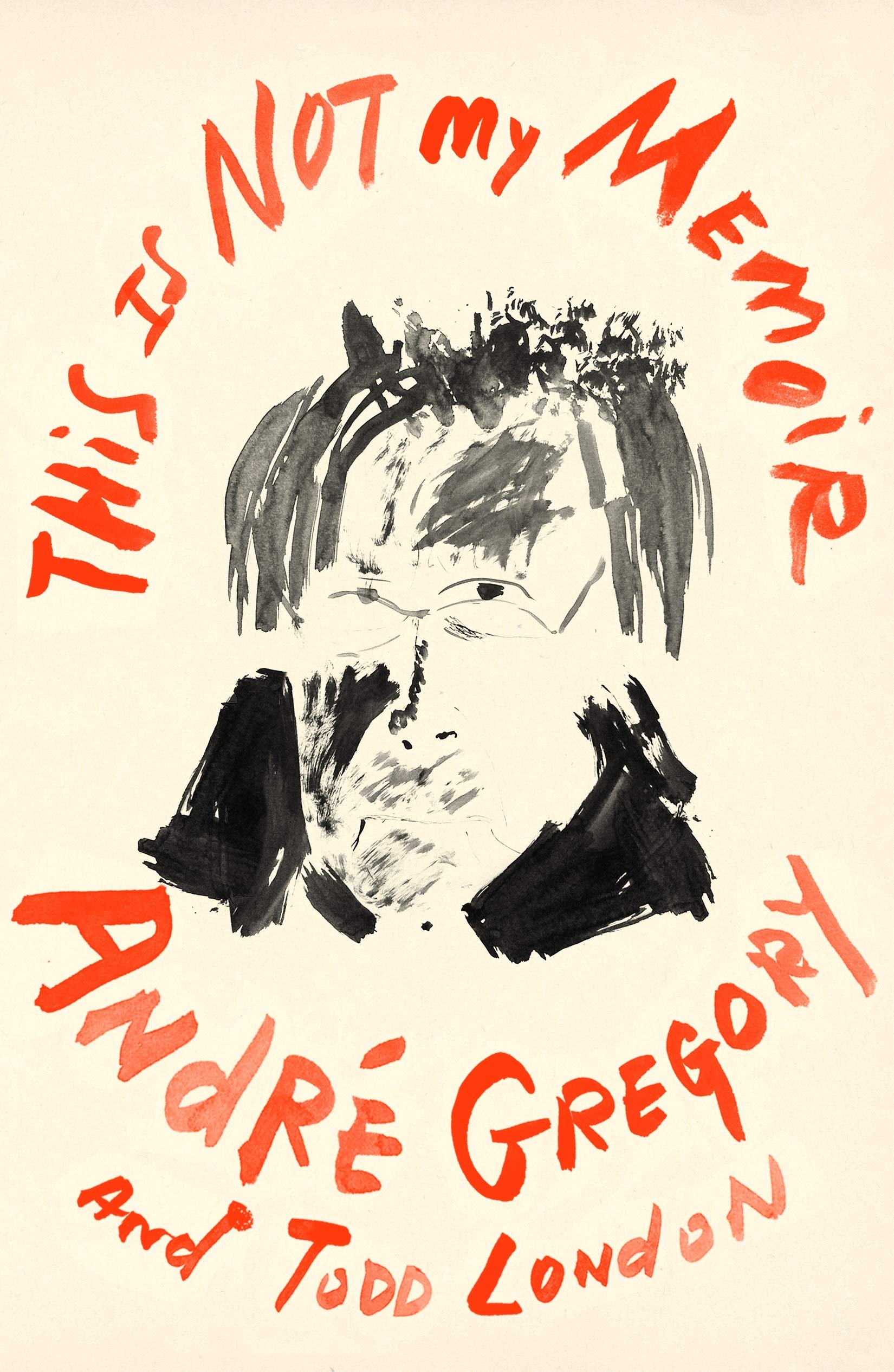 This is Not My Memoir
by
The autobiography-of-sorts of André Gregory, an iconic figure in American theater and the star of My Dinner with André
This is Not My Memoir tells the life story of André Gregory, iconic theatre director, writer, and actor. For the first time, Gregory shares memories from a life lived for art, including stories from the making of My Dinner with André. Taking on the dizzying, wondrous nature of a fever dream, This is Not My Memoir includes fantastic and fantastical stories that take the reader from wartime Paris to golden-age Hollywood, from avant-garde theaters to monasteries in India. Along the way we meet Jerzy Grotowski, Helene Weigel, Gregory Peck, Gurumayi Chidvilasananda, Wallace Shawn, and many other larger-than-life personalities.
This is Not My Memoir is a collaboration between Gregory and Todd London who create a portrait of an artist confronting his later years. Here, too, are the reflections of a man who only recently learned how to love. What does it mean to create art in a world that often places little value on the process of creating it? And what does it mean to confront the process of aging when your greatest work of art may well be your own life?
This is Not My Memoir
by
The autobiography-of-sorts of André Gregory, an iconic figure in American theater and the star of My Dinner with André
This is Not My Memoir tells the life story of André Gregory, iconic theatre director, writer, and actor. For the first time, Gregory shares memories from a life lived for art, including stories from the making of My Dinner with André. Taking on the dizzying, wondrous nature of a fever dream, This is Not My Memoir includes fantastic and fantastical stories that take the reader from wartime Paris to golden-age Hollywood, from avant-garde theaters to monasteries in India. Along the way we meet Jerzy Grotowski, Helene Weigel, Gregory Peck, Gurumayi Chidvilasananda, Wallace Shawn, and many other larger-than-life personalities.
This is Not My Memoir is a collaboration between Gregory and Todd London who create a portrait of an artist confronting his later years. Here, too, are the reflections of a man who only recently learned how to love. What does it mean to create art in a world that often places little value on the process of creating it? And what does it mean to confront the process of aging when your greatest work of art may well be your own life?
 Uncanny Valley
by
ANEW YORK TIMESBESTSELLER. ONE OF THENEW YORK TIMES'S 10 BEST BOOKS OF 2020. Named one of the Best Books of 2020 byTheWashington Post,The Atlantic,NPR, theLos Angeles Times, ELLE, Esquire,Parade,Teen Vogue, The Boston Globe, Forbes, The Times(UK),Fortune, Chicago Tribune, Glamour, The A.V. Club, Vox, Jezebel,Town & Country, OneZero, Apartment Therapy,Good Housekeeping, PopMatters,Electric Literature, Self, The Week(UK) andBookPage.ANew York Times Book Review Editors' Choice and a January 2020 IndieNext Pick. "A definitive document of a world in transition: I won't be alone in returning to it for clarity and consolation for many years to come." --Jia Tolentino, author ofTrick Mirror: Reflections on Self-Delusion The prescient, page-turning account of a journey in Silicon Valley: a defining memoir of our digital age In her mid-twenties, at the height of tech industry idealism, Anna Wiener--stuck, broke, and looking for meaning in her work, like any good millennial--left a job in book publishing for the promise of the new digital economy. She moved from New York to San Francisco, where she landed at a big-data startup in the heart of the Silicon Valley bubble: a world of surreal extravagance, dubious success, and fresh-faced entrepreneurs hell-bent on domination, glory, and, of course,progress. Anna arrived amidst a massive cultural shift, as the tech industry rapidly transformed into a locus of wealth and power rivaling Wall Street. But amid the company ski vacations and in-office speakeasies, boyish camaraderie and ride-or-die corporate fealty, a new Silicon Valley began to emerge: one in far over its head, one that enriched itself at the expense of the idyllic future it claimed to be building. Part coming-of-age-story, part portrait of an already-bygone era, Anna Wiener's memoir is a rare first-person glimpse into high-flying, reckless startup culture at a time of unchecked ambition, unregulated surveillance, wild fortune, and accelerating political power. With wit, candor, and heart, Anna deftly charts the tech industry's shift from self-appointed world savior to democracy-endangering liability, alongside a personal narrative of aspiration, ambivalence, and disillusionment. Unsparing and incisive,Uncanny Valley is a cautionary tale, and a revelatory interrogation of a world reckoning with consequences its unwitting designers are only beginning to understand.
Uncanny Valley
by
ANEW YORK TIMESBESTSELLER. ONE OF THENEW YORK TIMES'S 10 BEST BOOKS OF 2020. Named one of the Best Books of 2020 byTheWashington Post,The Atlantic,NPR, theLos Angeles Times, ELLE, Esquire,Parade,Teen Vogue, The Boston Globe, Forbes, The Times(UK),Fortune, Chicago Tribune, Glamour, The A.V. Club, Vox, Jezebel,Town & Country, OneZero, Apartment Therapy,Good Housekeeping, PopMatters,Electric Literature, Self, The Week(UK) andBookPage.ANew York Times Book Review Editors' Choice and a January 2020 IndieNext Pick. "A definitive document of a world in transition: I won't be alone in returning to it for clarity and consolation for many years to come." --Jia Tolentino, author ofTrick Mirror: Reflections on Self-Delusion The prescient, page-turning account of a journey in Silicon Valley: a defining memoir of our digital age In her mid-twenties, at the height of tech industry idealism, Anna Wiener--stuck, broke, and looking for meaning in her work, like any good millennial--left a job in book publishing for the promise of the new digital economy. She moved from New York to San Francisco, where she landed at a big-data startup in the heart of the Silicon Valley bubble: a world of surreal extravagance, dubious success, and fresh-faced entrepreneurs hell-bent on domination, glory, and, of course,progress. Anna arrived amidst a massive cultural shift, as the tech industry rapidly transformed into a locus of wealth and power rivaling Wall Street. But amid the company ski vacations and in-office speakeasies, boyish camaraderie and ride-or-die corporate fealty, a new Silicon Valley began to emerge: one in far over its head, one that enriched itself at the expense of the idyllic future it claimed to be building. Part coming-of-age-story, part portrait of an already-bygone era, Anna Wiener's memoir is a rare first-person glimpse into high-flying, reckless startup culture at a time of unchecked ambition, unregulated surveillance, wild fortune, and accelerating political power. With wit, candor, and heart, Anna deftly charts the tech industry's shift from self-appointed world savior to democracy-endangering liability, alongside a personal narrative of aspiration, ambivalence, and disillusionment. Unsparing and incisive,Uncanny Valley is a cautionary tale, and a revelatory interrogation of a world reckoning with consequences its unwitting designers are only beginning to understand.
 The Winter Fortress
by
From the internationally acclaimed, best-selling author of Hunting Eichmann and The Perfect Mile, an epic adventure and spy story about the greatest act of sabotage in all of World War II. It's 1942 and the Nazis are racing to be the first to build a weapon unlike any known before. They have the physicists, they have the uranium, and now all their plans depend on amassing a single ingredient: heavy water, which is produced in Norway's Vemork, the lone plant in all the world that makes this rare substance. Under threat of death, Vemork's engineers push production into overdrive. For the Allies, the plant must be destroyed. But how would they reach the castle fortress set on a precipitous gorge in one of the coldest, most inhospitable places on Earth? Based on a trove of top secret documents and never-before-seen diaries and letters of the saboteurs, The Winter Fortress is an arresting chronicle of a brilliant scientist, a band of spies on skies, perilous survival in the wild, sacrifice for one's country, Gestapo manhunts, soul-crushing setbacks, and a last-minute operation that would end any chance Hitler could obtain the atomic bomb--and alter the course of the war.
The Winter Fortress
by
From the internationally acclaimed, best-selling author of Hunting Eichmann and The Perfect Mile, an epic adventure and spy story about the greatest act of sabotage in all of World War II. It's 1942 and the Nazis are racing to be the first to build a weapon unlike any known before. They have the physicists, they have the uranium, and now all their plans depend on amassing a single ingredient: heavy water, which is produced in Norway's Vemork, the lone plant in all the world that makes this rare substance. Under threat of death, Vemork's engineers push production into overdrive. For the Allies, the plant must be destroyed. But how would they reach the castle fortress set on a precipitous gorge in one of the coldest, most inhospitable places on Earth? Based on a trove of top secret documents and never-before-seen diaries and letters of the saboteurs, The Winter Fortress is an arresting chronicle of a brilliant scientist, a band of spies on skies, perilous survival in the wild, sacrifice for one's country, Gestapo manhunts, soul-crushing setbacks, and a last-minute operation that would end any chance Hitler could obtain the atomic bomb--and alter the course of the war.
 World Without Mind
by
A New York Times Book Review Notable Book of 2017 Franklin Foer reveals the existential threat posed by big tech, and in his brilliant polemic gives us the toolkit to fight their pervasive influence. Over the past few decades there has been a revolution in terms of who controls knowledge and information. This rapid change has imperiled the way we think. Without pausing to consider the cost, the world has rushed to embrace the products and services of four titanic corporations. We shop with Amazon; socialize on Facebook; turn to Apple for entertainment; and rely on Google for information. These firms sell their efficiency and purport to make the world a better place, but what they have done instead is to enable an intoxicating level of daily convenience. As these companies have expanded, marketing themselves as champions of individuality and pluralism, their algorithms have pressed us into conformity and laid waste to privacy. They have produced an unstable and narrow culture of misinformation, and put us on a path to a world without private contemplation, autonomous thought, or solitary introspection--a world without mind. In order to restore our inner lives, we must avoid being coopted by these gigantic companies, and understand the ideas that underpin their success. Elegantly tracing the intellectual history of computer science--from Descartes and the enlightenment to Alan Turing to Stewart Brand and the hippie origins of today's Silicon Valley--Foer exposes the dark underpinnings of our most idealistic dreams for technology. The corporate ambitions of Google, Facebook, Apple, and Amazon, he argues, are trampling longstanding liberal values, especially intellectual property and privacy. This is a nascent stage in the total automation and homogenization of social, political, and intellectual life. By reclaiming our private authority over how we intellectually engage with the world, we have the power to stem the tide. At stake is nothing less than who we are, and what we will become. There have been monopolists in the past but today's corporate giants have far more nefarious aims. They're monopolists who want access to every facet of our identities and influence over every corner of our decision-making. Until now few have grasped the sheer scale of the threat. Foer explains not just the looming existential crisis but the imperative of resistance. Named one of the best books of the year by The New York Times * L.A. Times * NPR
World Without Mind
by
A New York Times Book Review Notable Book of 2017 Franklin Foer reveals the existential threat posed by big tech, and in his brilliant polemic gives us the toolkit to fight their pervasive influence. Over the past few decades there has been a revolution in terms of who controls knowledge and information. This rapid change has imperiled the way we think. Without pausing to consider the cost, the world has rushed to embrace the products and services of four titanic corporations. We shop with Amazon; socialize on Facebook; turn to Apple for entertainment; and rely on Google for information. These firms sell their efficiency and purport to make the world a better place, but what they have done instead is to enable an intoxicating level of daily convenience. As these companies have expanded, marketing themselves as champions of individuality and pluralism, their algorithms have pressed us into conformity and laid waste to privacy. They have produced an unstable and narrow culture of misinformation, and put us on a path to a world without private contemplation, autonomous thought, or solitary introspection--a world without mind. In order to restore our inner lives, we must avoid being coopted by these gigantic companies, and understand the ideas that underpin their success. Elegantly tracing the intellectual history of computer science--from Descartes and the enlightenment to Alan Turing to Stewart Brand and the hippie origins of today's Silicon Valley--Foer exposes the dark underpinnings of our most idealistic dreams for technology. The corporate ambitions of Google, Facebook, Apple, and Amazon, he argues, are trampling longstanding liberal values, especially intellectual property and privacy. This is a nascent stage in the total automation and homogenization of social, political, and intellectual life. By reclaiming our private authority over how we intellectually engage with the world, we have the power to stem the tide. At stake is nothing less than who we are, and what we will become. There have been monopolists in the past but today's corporate giants have far more nefarious aims. They're monopolists who want access to every facet of our identities and influence over every corner of our decision-making. Until now few have grasped the sheer scale of the threat. Foer explains not just the looming existential crisis but the imperative of resistance. Named one of the best books of the year by The New York Times * L.A. Times * NPR
Featured Titles - November 2020
Click the link below to visit our Youtube page to get Tina's extras on each of the titles from this month's chat
